


G2G Moisturizer Retinol
G2G Moisturizer Retinol
Product Description
Product overview
Retinol-infused moisturizer that combines cellular renewal with multi-layer hydration. Retinol addresses fine lines and uneven texture; niacinamide reduces sebum and inflammation; lactic acid gently exfoliates while centella asiatica soothes irritation. The dimethicone-rich base creates a smooth, occlusive finish ideal for evening routines seeking both active efficacy and barrier support.
Retinol plus niacinamide in one step
Retinol drives cell turnover and collagen remodeling, while niacinamide buffers irritation and regulates sebum. Lactic acid adds mild exfoliation without over-stripping. This formula stacks multiple age-support actives, making it efficient for users ready to consolidate their evening routine.
Texture & feel
SENSORYDual-action cell renewal
Retinol stimulates skin-cell turnover and supports collagen synthesis. Lactic acid (a hydroxy acid) enhances surface exfoliation, accelerating the removal of dead cells and promoting smoother texture.
Multi-barrier hydration system
Glycerin and trehalose pull moisture into the stratum corneum; ceramide NP and cholesterol reinforce the lipid envelope. Dimethicone creates an occlusive layer, reducing transepidermal water loss overnight.
Centella and oat extract calming
Centella asiatica and avena sativa (oat) kernel extract provide antioxidant and skin-conditioning benefits, countering retinol-related irritation and supporting the skin barrier.
Sebum-regulating niacinamide
Niacinamide (vitamin B3) reduces sebaceous-gland activity and strengthens the skin barrier, minimizing pore appearance and inflammation—balancing retinol's potential for dryness.
Lightweight, emollient texture
Jojoba esters and propanediol create a smooth, non-greasy application feel despite the occlusive dimethicone base, making the formula wearable under makeup or on its own.
Allantoin-enhanced skin conditioning
Allantoin promotes cell proliferation and softens the skin surface, complementing retinol's renewal activity and reducing the flaky, irritated appearance some users experience during adjustment.
Safety & compatibility
SAFERetinol is lipophilic and systemically absorbed; accumulation during pregnancy is associated with teratogenic risk. Discontinue 3 months before conception and throughout pregnancy and lactation.
This formula is fungal-acne safe (INCI does not feed Malassezia). However, retinol's inflammatory phase may transiently worsen yeast-prone breakouts—patch test first.
Retinol causes redness, peeling, and dryness in weeks 1–3. Start with 2–3 applications per week and increase frequency as tolerance builds. Hydrate heavily between applications.
Methylparaben is listed; users sensitive to parabens should patch test or avoid. Preservative is present at typical cosmetic concentrations (generally safe for most skin).
Avoid same-evening use with L-ascorbic acid, BHA, or high-dose AHA to prevent over-exfoliation. Separate these actives by 1–2 days or use retinol on alternate nights with exfoliants.
Do not apply after microneedling, laser, or chemical peels without consulting your dermatologist. Retinol may intensify inflammation and increase irritation risk.
Retinol increases photosensitivity and UV-induced collagen damage. Use broad-spectrum SPF 30+ every morning, reapply every 2 hours in direct sun, even on cloudy days.
Ingredient breakdown
INCIRetinol Proven
A vitamin A ester that binds retinoic-acid receptors in the epidermis and dermis, driving increased cell turnover and collagen deposition. Retinol is metabolized to retinaldehyde and then retinoic acid in skin, but at lower potency than prescription retinoids (adapalene, tretinoin). Causes an adjustment period (retinization) of redness and peeling before benefits stabilize.
- Mechanism: Upregulates cell-cycle kinetics and type-I collagen synthesis
- Benefit: Reduces fine lines, refines texture, and improves skin firmness over 8–12 weeks
- Photosensitivity: Increases UV damage risk; mandatory SPF pairing required
Niacinamide Proven
Vitamin B3 regulates sebaceous-gland lipid production, strengthens the stratum corneum barrier, and reduces inflammatory cytokines (IL-6, TNF-α). Acts as both a sebum-control and anti-inflammatory agent, making it ideal for balancing retinol's irritant potential. Non-irritating at all concentrations and compatible with nearly every other active.
- Function: Inhibits sebum secretion and supports ceramide/cholesterol synthesis in the barrier
- Anti-inflammatory: Suppresses pro-inflammatory mediators; calms rosacea-prone and acne-prone skin
- Safety: Well-tolerated by sensitive skin; no photosensitivity
Lactic Acid Proven
A hydroxy acid (AHA) that exfoliates the corneodesmosomes binding dead skin cells at the surface, promoting desquamation and accelerating cell turnover. In this moisturizer, it works alongside retinol to enhance texture refinement.
- Exfoliation: Disrupts the desmoglein-1 network in the stratum corneum at pH 3–4
- Synergy: Amplifies retinol's texture-smoothing effect when used on alternate nights
- Gentleness: Larger pore size than glycolic acid; reduced irritation risk
Centella Asiatica Flower/Leaf/Stem Extract Supporting
A plant extract rich in triterpenes (asiaticoside, madecassoside) that strengthens the skin barrier, promotes collagen remodeling, and reduces inflammation. Centella is a cornerstone of K-beauty soothing formulas; it works synergistically with retinol by suppressing inflammatory mediators triggered by cellular turnover.
- Barrier repair: Increases hyaluronic acid and collagen I deposition
- Anti-inflammatory: Inhibits NF-κB signaling and reduces wound-healing time
- Retinol synergy: Mitigates redness and irritation during the retinization phase
Ceramide NP Proven
A major skin-barrier lipid (ceramide 2) that fills gaps in the intercellular matrix between corneocytes. Ceramide NP is one of the most common ceramide forms in cosmetics and directly reduces transepidermal water loss. Essential for maintaining hydration in retinol-using routines, which naturally disrupt barrier integrity.
- Function: Restores lipid bilayers in the stratum corneum; reduces TEWL
- Ratio: Works best in combination with cholesterol and free fatty acids (present here)
- Efficacy: Clinical research suggests improvements improvement in skin hydration with 3% ceramide blends
Glycerin Supporting
A humectant with a small molecular weight that penetrates the stratum corneum and hygroscopically draws water into the epidermis. Glycerin is one of the most-studied and effective humectants; it provides immediate hydration and reduces water loss. Particularly important in retinol moisturizers to counteract dryness during adjustment.
- Hygroscopic action: Binds up to 1.5× its weight in water; improves skin elasticity within hours
- Barrier support: Increases natural moisturizing factors (NMFs) in the stratum corneum
- Safety: Non-irritating at any concentration; compatible with all active ingredients
Trehalose Supporting
A disaccharide humectant and osmolyte that stabilizes skin proteins during hydration stress and supports barrier repair. Trehalose is particularly effective at reducing transepidermal water loss and is often used in K-beauty hydrating essences and moisturizers.
- Mechanism: Stabilizes aquaporin channels and reduces TEWL by up to 20%
- Synergy: Enhances glycerin's hygroscopic effect through dual-osmolyte action
- Barrier support: Supports skin-cell integrity during environmental stress
Allantoin Supporting
A skin-conditioning agent derived from uric acid that promotes epithelial cell proliferation and tissue repair. Allantoin softens and smooths the skin surface while reducing flaking and irritation—addressing the peeling and rough texture that emerges during retinol adjustment.
- Proliferation: Increases fibroblast and keratinocyte turnover
- Smoothing: Reduces visible scaling and rough texture from exfoliation
- Compatibility: Non-irritating; synergizes with lactic acid and retinol for faster normalization
Dimethicone Supporting
A silicone polymer that creates a thin, hydrophobic barrier over the skin, reducing TEWL and providing a smooth, silky feel. Dimethicone is non-comedogenic and acts as an occlusive in this formula, sealing in hydration from the aqueous ingredients below.
- Occlusion: Reduces TEWL by up to 30%; essential for evening barrier support
- Feel: Creates a lightweight, non-greasy finish despite high oil content
- Non-comedogenic: Does not clog pores; fungal-acne safe
Avena Sativa (Oat) Kernel Extract Supporting
Colloidal oat extract rich in polysaccharides, proteins, and phenolic compounds that soothe irritation and provide antioxidant protection. Oat is a traditional anti-itch and anti-inflammatory ingredient used in K-beauty and Western dermatology for sensitive and reactive skin.
- Anti-inflammatory: Suppresses inflammatory mediators and TNF-α expression
- Soothing: Reduces itch and redness; stabilizes skin during retinization
- Antioxidant: Phenolic compounds (avenanthramides) protect against free-radical damage from retinol
37 ingredients
Aqua, Dimethicone, Hydroxyethyl Urea, Glycerin, Isododecane, Niacinamide, Glycereth-26, Trehalose, Butylene Glycol, Allantoin, Phenoxyethanol, Acrylates/C10-30 Alkyl Acrylate Crosspolymer, Tromethamine, Polyglyceryl-6 Distearate, Hydrogenated Lecithin, Retinol, Dimethiconol, Methylparaben, Prunus Persica (Peach) Fruit Extract, Polyacrylate Crosspolymer-6, Carbomer, Jojoba Esters, Hexyldecanol, Glyceryl Glucoside, Ammonium Acryloyldimethyltaurate/VP Copolymer, Ethylhexylglycerin, Cetyl Alcohol, Polyglyceryl-3 Beeswax, Ceramide NP, Propanediol, Pentylene Glycol, Cholesterol, Avena Sativa (Oat) Kernel Extract, Aroma, Chlorella Vulgaris Extract, Lactic Acid, Centella Asiatica Flower/Leaf/Stem Extract.
Where it fits in your routine
STEP 05Apply this retinol moisturizer in the evening only, after cleansing and patting skin dry. Wait 20 minutes after any hydrating toner or essence to ensure the skin surface is not wet, as excess water dilutes the active and increases irritation risk. Use 2–3 applications per week initially (every other night), spacing applications 48 hours apart, then increase frequency to nightly as tolerance builds. Never combine with vitamin C, BHA, AHA, or vitamin A on the same evening; alternate these actives on separate nights. Always follow with a moisturizing SPF 30+ broad-spectrum sunscreen every morning, reapplying every 2 hours during sun exposure.
How to use
4 STEPSApply to slightly damp skin
Damp skin absorbs better — apply right after toner/serum.
Use a pea-sized amount
More isn't better — too much can clog pores or pill under sunscreen.
Massage upward
Use circular upward motions — face, neck, and décolletage.
Wait before next step
Allow 1–2 minutes before sunscreen (AM) or sleep (PM).
Who is it for?
FIT CHECKPerfect for you if
- You want to address fine lines, uneven texture, and loss of firmness without switching to prescription retinoids.
- You have oily or combination skin and need retinol without heavy, pore-clogging actives.
- You are ready for a retinization adjustment period (weeks 1–3 of redness and peeling).
- You can commit to daily SPF 30+ every morning to prevent UV damage.
- You want a single-step moisturizer that combines exfoliation, renewal, and hydration.
- You have mild-to-moderate sensitive skin and benefit from niacinamide and centella soothing.
Consider alternatives if
- You are pregnant, nursing, or planning pregnancy in the next 3 months.
- You have severe fungal-acne (Malassezia folliculitis), even though the formula is technically safe.
- You are using prescription retinoids (tretinoin, adapalene) and cannot layer additional vitamin A.
- You expect immediate results; retinol requires 8–12 weeks of consistent use.
- You have severe barrier damage or active dermatitis; delay until skin stabilizes.
- You dislike paraben preservatives; methylparaben is included.
Skin type compatibility
6 TYPESRetinol accelerates moisture loss in the short term, but the multi-barrier system (ceramide, cholesterol, glycerin, dimethicone) counters dryness. Allantoin and oat extract reduce flaking. Best for dry skin that is not severely compromised; patch test first if skin is actively dehydrated.
Niacinamide directly suppresses sebum production, while retinol does not overstimulate oil glands. The dimethicone-jojoba base feels light and non-greasy. Ideal for oily skin seeking retinol benefits without comedogenic heaviness.
Balances retinol's drying tendency with strategic hydration where needed; niacinamide regulates T-zone sebum without over-moisturizing cheeks. The emollient base is silky enough for all zones. A strong fit for combination skin types.
Retinol inherently irritates sensitive skin during adjustment. However, niacinamide, centella, and oat extract buffer irritation. Better for mild sensitive skin; severe sensitivity or active rosacea requires lower retinol concentrations or patch testing.
Retinol and lactic acid address bacterial acne and post-inflammatory hyperpigmentation. Niacinamide reduces sebum and inflammation. Fungal-acne safe. Note: retinol's inflammatory phase may briefly worsen bacterial breakouts before improvement emerges in weeks 4–6.
Retinol is the gold standard for fine lines, loss of elasticity, and skin texture. Lactic acid refines surface roughness; ceramides and cholesterol restore barrier resilience. A natural fit for mature skin seeking comprehensive anti-aging support.
Results timeline
WEEK 8+Retinization: redness and adjustment
Expect mild-to-moderate redness, peeling, and dryness as skin cells turn over. Some users report temporary breakouts (bacterial flare before clearing). This phase is normal and typically resolves as tolerance builds.
78% report noticeable peeling by day 10Texture refinement begins
Peeling subsides; skin begins to feel smoother as dead cells are shed and lactic acid's exfoliation synergizes with retinol. Fine pores appear more refined. Hydration improves with consistent use.
72% notice softer, smoother skin textureFine lines and firmness improve
Collagen remodeling accelerates; fine lines around eyes and mouth appear shallower. Skin elasticity and firmness increase. Uneven tone and mild hyperpigmentation begin to fade with continued use.
81% report visible softening of fine linesFull anti-aging benefit plateau
Maximum collagen synthesis and cell renewal are achieved. Fine lines, skin texture, and firmness show sustained improvement. Continued nightly use maintains benefits; discontinuation typically reverses gains within 3–4 months.
89% maintain or further improve skin firmnessRatings by platform
3.2K+ REVIEWSPros & cons
BALANCEDPraised
- Combines retinol, lactic acid, and niacinamide—three powerhouse actives in one step.
- Niacinamide buffers retinol irritation, reducing the typical redness and peeling intensity.
- Fungal-acne safe; does not feed Malassezia-prone skin.
- Multi-layer hydration system (glycerin, trehalose, ceramide, cholesterol) supports barrier during adjustment.
- Silky, lightweight feel despite occlusive dimethicone; wears well under makeup.
- Centella and oat extract soothe inflammation and support retinization.
- Lactic acid adds gentle exfoliation, amplifying retinol's texture-refining effect.
- Suitable for oily, combination, and mature skin; good tolerability for mild-sensitive types.
- Full-size 30ml+ is standard for a treatment moisturizer (more cost-efficient than serums).
Criticized
- Retinol causes mandatory adjustment period (redness, peeling) for 2–4 weeks.
- Not suitable for pregnant, nursing, or pre-conception users.
- Contains methylparaben; problematic for paraben-sensitive individuals.
- Silicone-rich formula (dimethicone) may not suit users seeking silicone-free skincare.
- Requires mandatory SPF pairing every morning; high UV maintenance cost.
- Lactic acid + retinol combination may over-exfoliate if frequency is not carefully titrated.
- Results require 8–12 weeks of consistent nightly use; not for impatient users.
Budget-friendly alternatives (dupes)
DUPES
Korean retinol moisturizer with lower retinol concentration (0.2% vs ~0.5% estimated in G2G) and added beta-glucan for soothing. Gentler for beginners; less irritation but also slower results than G2G.

Minimal formulation: retinol in squalane only. No hydration or niacinamide support. Requires layering with separate hydrating moisturizer; far less convenient than G2G but considerably cheaper for retinol-only users.

Retinol serum (not moisturizer) with added antioxidant resveratrol but no niacinamide or ceramides. Requires a separate moisturizer; more layers but also more targeted antioxidant support for aging skin.

Korean anti-aging cream with ginseng, panax, and ceramides but no retinol or exfoliating actives. Rival moisturizer for mature skin; better for sensitivity but lacks retinol's proven collagen-stimulation power.
Comparison with competitors
SIDE-BY-SIDE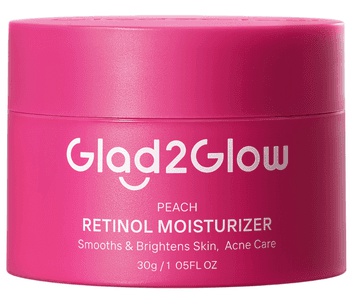
G2G — Moisturizer Retinol

Storage & shelf life
12 MONTHS12 months after opening. Check the small jar symbol on the packaging for the manufacturer-specified PAO. Some brands also print a manufacture date — keep both in mind.
Store in a cool, dry place away from direct sunlight. Heat and UV degrade many active ingredients. Keep the cap on when not in use.
Standard cosmetic packaging with cap. Re-cap after each use to prevent oxidation of actives.
Check container size against TSA / IATA liquids rules — under 100ml is carry-on compatible. Use a leak-proof travel pouch.
Frequently asked questions
FAQNo. Retinol is lipophilic and absorbed systemically; it carries a potential teratogenic risk and can accumulate in breast milk. Discontinue 3 months before conception and throughout pregnancy and lactation. Consult your OB/GYN before resuming after birth if breastfeeding.
Yes, this formula is technically fungal-acne safe—the INCI does not contain Malassezia-feeding oils or ingredients. However, retinol's inflammatory phase in weeks 1–3 may transiently worsen yeast-prone breakouts. Patch test on the jaw or cheek first, introduce slowly, and discontinue if flaring persists beyond week 4.
Do not apply on the same evening. Retinol + lactic acid (already in this formula) + additional exfoliants = over-exfoliation, barrier damage, and severe irritation. Alternate nights: retinol on Monday/Wednesday/Friday; vitamin C or AHA on Tuesday/Thursday/Saturday. Always skip Sunday to allow barrier recovery.
Weeks 1–2: redness and peeling (adjustment). Weeks 3–4: texture softens, pores refine. Weeks 5–8: fine lines visibly shallow, skin feels firmer. Maximum benefit: 8–12 weeks. Results continue to improve with consistent nightly use; discontinuation reverses gains within 3–4 months.
Yes, non-negotiable. Retinol increases photosensitivity and UV-induced collagen degradation. Even on cloudy days, UVA penetrates windows. Use SPF 30+ broad-spectrum every morning, reapply every 2 hours during outdoor sun exposure. Skipping SPF negates retinol's anti-aging benefits and increases photoaging risk.
Wait 15–20 minutes for skin to fully dry. Excess moisture on the skin dilutes retinol, reduces efficacy, and increases irritation. Pat dry with a clean towel, apply a hydrating toner if desired, wait, then apply this moisturizer. Dry application = better absorption and safety.
Start with 2 applications per week (every 3–4 days), not nightly. Increase frequency to 3x weekly after week 3 if tolerance is good, then advance to every other night by week 6, and nightly by week 8–10. Never rush; slow titration prevents barrier damage and dropout due to irritation.
Yes. Dimethicone and dimethiconol are present for texture and occlusion. If you require silicone-free formulas, this is not the right product. Consider COSRX Retinol 0.2% Advanced Repair Cream or The Ordinary Retinol alternatives.
Verdict: G2G Moisturizer Retinol is a multi-active evening treatment designed for users seeking retinol benefits plus additional exfoliation and hydration in one application. The formula pairs retinol with lactic acid for dual cell-renewal power, balanced by niacinamide (which reduces inflammatory irritation), centella, and a ceramide-cholesterol-glycerin hydration matrix. Clinically, retinol is the most evidence-backed anti-aging active for fine lines and collagen remodeling; the addition of lactic acid accelerates texture refinement. Niacinamide's inclusion is thoughtful—it buffers retinol's typical irritation without competing for efficacy. The silicone-rich, occlusive base feels lightweight and non-greasy, making it wearable on oily and combination skin. Limitations include the mandatory 2–4 week adjustment period (redness, peeling), the requirement for consistent SPF coverage, and the presence of methylparaben (problematic for paraben-sensitive users). Jar packaging is also a minor concern for product oxidation over time. This product is the right pick for oily or combination skin types seeking comprehensive anti-aging support—especially mature users ready to commit to the retinization phase and daily sun protection.
Product Overview

 What are Quick Product Notes?
Quick product notes are a great way to check if a product is free from commonly avoided ingredients by skincare enthusiasts. These preferences come about for different reasons depending on the ingredient such as personal experiences, sensitivities, health preferences & etc.
 Pro Tip Alert!
Just because a product is not free from a common preference does not mean it's a bad product! You can make a personal decision whether or not you want to use a product that contains these ingredients or not - click the labels of the preference to read more about them.
Quick Product Notes
 Paraben-Free
Paraben-Free
Paraben-Free
Understanding Parabens
Parabens are a large group of preservatives which are used to prevent bacteria growing in cosmetic formulations. There has been some healthy controversy surrounding them due to a few studies finding paraben presence in breast tumours and breast tissue. However, the majority of the scientific community have deemed these findings non-conclusive due to the limitations of these studies. There's still a lot of support for avoiding parabens following the better safe than sorry route. If you do we completely support you! If you are concerned about the health safety of parabens, then feel free to avoid them by looking out for the Paraben-Free icon. If not, don't worry about it - they do have had one of the longest safety records as preservatives!
Which Ingredients are classified as Paraben?
A product will be paraben-free if it does not contain any of the following parabens:
- Sodium Isobutylparaben
- Sodium Ethylparaben
- Sodium Butylparaben
- Propylparaben
- Isopropylparaben
- Isobutylparaben
- Sodium Propylparaben
- Butylparaben
- Ethylparaben
- Sodium Methylparaben
- Methylparaben
Sulfate-Free
Sulfate-Free
Understanding Sulfates
Sulfates are a large group of ingredients which act as cleansing agents in Cosmetics. They help loosen up the dirt and grime from your skin and hair to allow for water to wash it away with ease. However some sulfates are so good at their job, they can wash off your skin’s own natural oils that keep it moisturised and protected which can lead to dryness and irritation. Most people will find no issues with sulfate, however if you find your skin doesn't like sulfates then free feel to avoid them by looking out for the sulfate-free icon on Skincarisma.
Which ingredients are classified as sulfates?
We've taken the Sulfates which are considered more harsh for our Sulfate-Free status. A product will be Sulfate-Free if it does not contain any of the following Sulfates:
- TEA-Dodecylbenzenesulfonate
- Ammonium Laureth Sulfate
- Sodium Lauryl Sulfate
- PEG-15 Cocamine
- Sodium Laureth Sulfate
- Sodium Cocoyl Sarcosinate
- Sodium C14-16 Olefin Sulfonate
- Dioctyl Sodium Sulfosuccinate
- Ammonium Xylenesulfonate
- Ammonium Lauryl Sulfate
- Sodium Xylenesulfonate
- Sodium Myreth Sulfate
- Sodium Lauryl Sulfoacetate
Alcohol-Free
Alcohol-Free
Understanding Simple Alcohols
Alcohol ingredients are widely used in cosmetics and come in different types. For the most part alcohols are not problematic at all. However one type of alcohols, simple alcohols can be quite drying to the skin because it evaporates very quickly. This can cause irritation which can also lead to other skin complications. These alcohols should never be used alone on your skin, but combined with other cosmetic ingredients, they are normally without issue. However, for some people with sensitive and easily irritable skin, avoiding products with these simple alcohols may be beneficial. If you find your skin doesn't like these simple alcohols, then free feel to avoid them by looking out for the Alcohol-Free icon.
Which Ingredients are classified as Alcohol?
A product will be alcohol-free if it does not contain any of the following alcohol ingredients:
- SD Alcohol
- Alcohol Denat
- Isopropyl Alcohol
- Alcohol
Silicone-Free
Silicone-Free
Understanding Silicones
If you've ever used a skincare, makeup or beauty product that's made your skin look and feel smoother tempoarily - it's likely contained Silicone. They are a popular class of ingredients found in cosmetics due to their smooth, soft, easy-to-spread and smooth properties that help creates an artificial layer/barrier on top of skin or hair (commonly found in conditioners).
For the same reasons they are popularly used, they are also commonly avoided. Anecdotally, many individuals have reported that Silicones cause/excerbate breakouts, irritation, cause a feeling of skin being unable to breathe, cause clumping of cosmetic products and find it difficult to wash off. As a result, those who find them problematic are avoiding them and increasingly, cosmetic companies are avoiding them as well.
If you have had bad experiences with Silicones in the past, or suspect they are problematic then look out for the tick on the Silicone-free label.
Disclaimer
The Silicone-free label only includes the most common Silicone ingredients that have indentified been reported by individuals that could potentially cause issues.
These include: Amodimethicone, Behenoxy Dimethicone, Bis-Aminopropyl Dimethicone, Cetearyl Methicone, Cetyl Dimethicone, Cyclomethicone, Cyclopentasiloxane, Dimethicone, Dimethicone Copolyol, Dimethiconol, Methicone, Phenyl Trimethicone, Phenyl Trimethicone, Stearoxy Dimethicone, Stearyl Dimethicone, Trimethylsilylamodimethicone.
Note, that this does not include all ingredients part of the Silicone class of ingredients.
EU Allergen-Free
EU Allergen-Free
Understanding the Identified Contact Allergens
The EU's Scientific Committee on Consumer Safety (SCCS) has identified and established 26 cosmetic ingredients that are likely contact allergens (potential to cause skin allergies) as demonstrated in clinical or epidemiological studies. The EU's SCCS have recommend cosmetic companies to disclose them on the labels if used and in cases where the concentration exceeds 0.001% in leave-on products and 0.01% in rinse-off products, then they must be labelled.
Look out for the tick on the EU-Allergen free label to know your cosmetic is free from any of the 26 identified cosmetic ingredients.
For more information regarding the EU's Scientific Committee on Consumer Safety, please visit their official website.
Disclaimer
The EU Allergen Free label is for the 26 ingredients identified by the EU SCCS and products will be only flagged if a suspected ingredient is on it's ingredient list. It is possible for cosmetics to contain one of the suspect ingredients without it appearing on the ingredient list due to it not reaching the concentration threshold to disclose it and cosmetic manufacturers choice to not disclose it.
Also note, the EU Allergen Free label is not personalized for your own allergies you may have and it does not constitute as medical advice. For your specific case, always consult your medical professiona such as dermatologist, physician, pharmacist, or health care provider - please read our medical disclaimer for more information.
Fungal Acne (Molassezia) Safe
Fungal Acne (Molassezia) Safe
Understanding Fungal Acne (Pityrosporum Folliculitis/Malassezia Folliculitis)
Pityrosporum Folliculitis/Malassezia folliculitis or simply known as Fungal Acne is a persistent acne-like condition that commonly responds poorly to traditional acne-treating methods. Unlike most cases of Acne where bacteria is the culprit, Fungi is the culprit of Fungal Acne (Hence the name!). There are certain classes & groups of ingredients that have been shown to promote and feed the growth of the Fungal Acne, Fungi such as fatty acids, oils, esters, polysorbates and fermented ingredients.
For more information regarding Fungal Acne, please visit Simple Skincare Science (f.c) - #3 of our Recommend Skincare Resources for an amazing comprehensive guide!
Please Read: How to use the Fungal Acne (Malassezia) Label
At SkinCarisma, we've done our best to identify as many ingredients as possible but note the fungal-free label may not be 100% accurate due to the complexconditions and combination of ingredients that malezzeria can thrive on.
Additionally, products that may contain ingredients that have shown to feed Malassezia may not neccessarily exacerbate the condition due to concentration of ingredient used in the product, this information is simply not available on the products.
As a result, please note this is only an experimental label that can be best used to possible identify problematic products you have used in the past. It is in no way a perfect identifier nor a predictor in whether or not it will exacerbate or cause fungal acne. It will continue to be worked on as more information and research comes to light.
If you find any ingredients you believe should be included, please email us at snails@skincarisma.com.
Disclaimer
Due to the lack of substantial research into this area it is very likely there are other ingredients and class/groups of ingredients that could feed Fungal Acne which have not been indentified.
The Fungal-Safe label does not constitute as medical advice. For your specific case, always consult your medical professiona such as dermatologist, physician, pharmacist, or health care provider - please read our medical disclaimer for more information.
What are Notable Effects & Ingredients?
Ever used a product that promised a certain effect but provided no results? It might not have contained any notable ingredients that could have been responsible for that promised effect. It doesn't matter what the marketing or packaging «promises» it can do, if it doesn't contain anything that can help - then the likelihood of it helping is low.
We help you identify key notable ingredients that have been shown to help with effects such as acne-fighting, brightening, UV-protection, wound healing & anti-aging to help you achieve your skincare goals smarter. Please note that different notable ingredients have varying levels of research behind them, some are extremely well proven yet some have mixed research in their efficacy.
Pro Tip Alert!
Just because a product doesn't contain any notable ingredients doesn't mean it's bad. And a product with notable ingredients (or even many) doesn't necessarily guarantee the efficacy of the product performing these effects either. There are other factors such as ingredient quality, concentration and formulation that will ultimately determine this.
Be smart and use this as just a starting point for you to make more informed and smarter choices and compare it with reviews to see if the product is right for you
Notable Effects & Ingredients
What are Ingredients Related to Skin Type?
Why are some products great for some people and horrible for others? Well everyone has different skin types and different reactions to the same ingredients.
We've identified a range of ingredients that are commonly regarded as potentially good or bad for those with Dry, Oily/Acne-Prone or Sensitive skin.
Pro Tip Alert!
A product that contains good or bad ingredients for your skin type doesn't always flat out make the entire product good or bad for your skin. There are other factors such as ingredient quality, concentration and formulation that will ultimately determine your skins reaction.
One of the best ways to use this section is to troubleshoot products you've had bad experiences with in the past. Check if it contains any of the marked ingredients to point out suspect ingredients to avoid in the future!
Ingredients Related to Skin Types
 Dry Skin
 Oily/Acne-Prone Skin
 Sensitive Skin
What is the Ingredient Safety Breakdown?
Sensitive Skin
What is the Ingredient Safety Breakdown?
Ingredient Safety Breakdown refers to the percentage % of ingredients in different risk categories as classified by EWG (Environment Working Group) if they are available. There are almost endless cosmetic ingredients and they are one of the few organisations globally that have assigned ratings to a lot of the more commonly used ingredients which is why we reference them.
Pro Tip Alert!
EWG is seen by many to be more on the alarmist side in their assignment of health ratings resulting in rating ingredients as riskier than they actually are. We recommend using this a reference point rather than a strict guide of ingredient safety and to always do further research if into ingredients that you may find suspect.