

SPF 50 Rosewater Mist

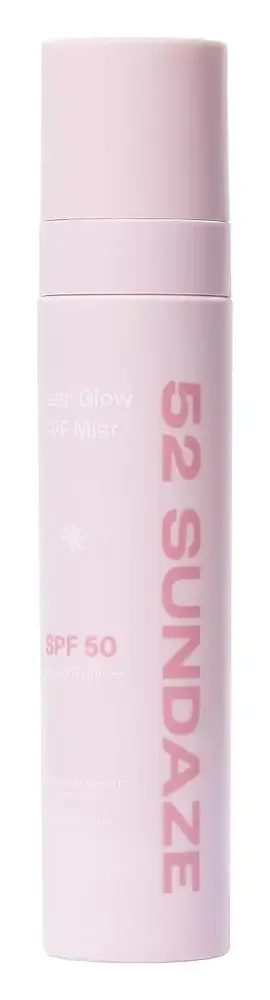
52 Sundaze

Where to buy Possibly in stock

About this product

The 52 Sundaze SPF 50 Rosewater Mist is a sunscreen. Our analysis of its 24 ingredients (14 low-risk) rates it Excellent (90/100). Based on its ingredients, it looks well-suited to dry skin.

Vegan-friendly

Summarised from our ingredient analysis — not brand marketing copy.

At a glance

Type
Sunscreen
Ingredients
24
Low-risk
14
Fragrance
Fragrance-free
Origin
India
SPF
50 · blocks 98.0% UVB
Data updated
Jun 2026

The evidence

Quick Product Notes

Paraben-Free Sulfate-Free Alcohol-Free Silicone-Free EU Allergen-Free Fungal Acne (Malassezia) Safe

Notable Effects & Ingredients

No Notable Effects & Ingredients

Ingredients Related to Skin Types

Good   Bad — tap a skin type to see which ingredients · estimated from ingredient functions
Dry Skin 4/1
Good for dry skin
Dipotassium Glycyrrhizate Butylene Glycol Hyaluronic Acid Aloe Barbadensis Leaf Extract
Caution for dry skin
Silica
Oily/Acne-Prone Skin No data
Sensitive Skin 3/5
Good for sensitive skin
Zinc Oxide Rosa Damascena Flower Water Aloe Barbadensis Leaf Extract
Caution for sensitive skin
Rosa Damascena Flower Water Butylene Glycol Sodium Benzoate Phenoxyethanol Benzophenone-3

Ingredients list

24 total
Lower hazard (1) Higher hazard (8)
All24 Skin Conditioning12 Uv Filter7 Uv Absorber6 Fragrance6 Humectant4 Masking3 Skin Protecting3 Bulking Agent3
EWG CIR Ingredient Name & Cosmetic Functions Notes
1
Water
(Solvent)
1
Rosa Damascena Flower Water
(Masking, Skin Conditioning, Skin Protecting)
6
PABA
(Sunscreen Agent, Uv Absorber, Uv Filter)
1
Hydroxyapatite
(Abrasive, Bulking Agent, Oral Care Agent, Emulsion Stabilising)
Terephthalylidene Dicamphor Sulfonic Acid
(Uv Absorber, Uv Filter)
3
A
Benzophenone-4
(Uv Absorber, Uv Filter)
6
Ethylhexyl Methoxycinnamate
(Uv Absorber, Uv Filter)
Bad for Oily Skin
Bad for Oily Skin
Bad for Sensitive Skin
2
Butyl Methoxydibenzoylmethane
(Uv Absorber, Uv Filter)
8
Benzophenone-3
(Uv Absorber, Uv Filter)
Bad for Oily Skin
Bad for Oily Skin
Bad for Sensitive Skin
1
A
Phospholipids
(Skin Conditioning)
1
A
Butylene Glycol
(Fragrance, Skin Conditioning, Solvent, Viscositydecreasing Agent, Humectant, Masking, Viscosity Controlling)
Good for Dry Skin
Good for Dry Skin
2
3
Zinc Oxide
(Bulking Agent, Cosmetic Colorant, Skin Protecting, Sunscreen Agent)
Good for Oily Skin
Good for Oily Skin
1
3
Titanium/Titanium Dioxide
(Cosmetic Colorant, Opacifying)
Methylene Bis-Benzotriazolyl Tetramethylbutylphenol
(Uv Filter)
1
3
B
Aloe Barbadensis Leaf Extract
(Emollient, Humectant, Oral Care Agent, Skin Conditioning)
Good for Sensitive Skin
Rubus Idaeus Extract
(Skin Protecting)
1
A
Hyaluronic Acid
(Skin Conditioning, Viscosity Increasing Agent, Antistatic Agent, Humectant, Moisturising)
TOCOPHEROL
(Antioxidant, Fragrance, Skin Conditioning)
ASCORBIC ACID
(Antioxidant, Buffering, Fragrance, Skin Conditioning)
1
A
Dipotassium Glycyrrhizate
(Flavoring Agent, Skin Conditioning, Humectant)
Oryza Sativa Bran Water
(Fragrance, Perfuming)
1
2
A
Silica
(Abrasive, Absorbent, Anticaking Agent, Bulking Agent, Opacifying, Viscosity Controlling)
3
A
Sodium Benzoate
(Fragrance, Preservative, Anticorrosive, Masking)
4
A
Phenoxyethanol
(Fragrance, Preservative)
Paraben
Paraben

My Ingredient Notes

No personal ingredient notes yet. Save ingredients to your profile to get good/bad alerts here.

Browse similar sunscreen
No close formula match yet — browse other products like this

Key ingredients

Chemical UV Filter
Absorbs UV rays to help prevent sun damage.
Mineral UV Filter
Reflects UV rays using mineral barriers.
Antioxidants
Shields skin from free radical damage.
Exfoliators
Removes dead skin cells to smoothe texture.
Vitamin C
Brightens, evens tone, and supports collagen.
Vitamin E
Protects skin and soothes irritation.
Hyaluronic Acid
Hydrates by attracting and holding water.
Show all 7 key ingredients

Benefits

HydratingBoosts hydration and relieves dry, tight skin.
Redness ReducingSoothes visible redness and calms irritation.
Barrier RepairStrengthen and restore your skin's natural barrier.
Anti-AgingSoftens lines and helps skin look youthful.
Reduces IrritationEases discomfort and supports skin resilience.
Good For Oily SkinBalances oil and helps reduce shine.
BrighteningRestores radiance to dull, tired skin.
Scar HealingImproves the look of marks and scars.

Concerns

Contains paraben
Benzophenone-3 — higher EWG
May not suit sensitive skin

EWG flags hazard, not real-world risk — ratings don't account for how much of an ingredient a product contains. Treat these as things to research, not verdicts. How we score →

Ingredients explained

Water
Solvent
Low-hazard ingredient.Read moreShow less
EWG 1 Solvent
Rosa Damascena Flower Water
Masking, Skin conditioning
Low-hazard ingredient.Read moreShow less
EWG 1 MaskingSkin conditioningSkin protecting
Hydroxyapatite
Abrasive, Bulking agent
Low-hazard ingredient.Read moreShow less
EWG 1 AbrasiveBulking agentOral care agentEmulsion stabilising
Terephthalylidene Dicamphor Sulfonic Acid
Uv absorber, Uv filter
Limited public safety data.Read moreShow less
EWG N/A Uv absorberUv filter
Benzophenone-4
Uv absorber, Uv filter
Low-to-moderate hazard.Read moreShow less
EWG 3 CIR A Uv absorberUv filter
Butyl Methoxydibenzoylmethane
Uv absorber, Uv filter
Low-hazard ingredient.Read moreShow less
EWG 2 Uv absorberUv filter
Phospholipids
Skin conditioning
Low-hazard ingredient.Read moreShow less
EWG 1 CIR A Skin conditioning
Titanium/Titanium Dioxide
Cosmetic colorant, Opacifying
Low-to-moderate hazard.Read moreShow less
EWG 1–3 Cosmetic colorantOpacifying
Methylene Bis-Benzotriazolyl Tetramethylbutylphenol
Uv filter
Limited public safety data.Read moreShow less
EWG N/A Uv filter
Rubus Idaeus Extract
Skin protecting
Limited public safety data.Read moreShow less
EWG N/A Skin protecting
Hyaluronic Acid
Skin conditioning, Viscosity increasing agent
Low-hazard ingredient.Read moreShow less
EWG 1 CIR A Skin conditioningViscosity increasing agentAntistatic agentHumectantMoisturising
TOCOPHEROL
Antioxidant, Fragrance
Limited public safety data.Read moreShow less
EWG N/A AntioxidantFragranceSkin conditioning
ASCORBIC ACID
Antioxidant, Buffering
Limited public safety data.Read moreShow less
EWG N/A AntioxidantBufferingFragranceSkin conditioning
Dipotassium Glycyrrhizate
Flavoring agent, Skin conditioning
Low-hazard ingredient.Read moreShow less
EWG 1 CIR A Flavoring agentSkin conditioningHumectant
Oryza Sativa Bran Water
Fragrance, Perfuming
Limited public safety data.Read moreShow less
EWG N/A FragrancePerfuming
+ 2 more — see the full ingredients list above
PABA
Sunscreen agent, Uv absorber
Moderate-hazard ingredient.Read moreShow less
EWG 6 Sunscreen agentUv absorberUv filter
Ethylhexyl Methoxycinnamate
Uv absorber, Uv filter
Potentially a skin irritantRead moreShow less
EWG 6 Uv absorberUv filter Bad for Oily SkinBad for Sensitive Skin
Benzophenone-3
Uv absorber, Uv filter
Potentially a skin irritantRead moreShow less
EWG 8 Uv absorberUv filter Bad for Oily SkinBad for Sensitive Skin
Butylene Glycol
Fragrance, Skin conditioning
Low-hazard ingredient.Read moreShow less
EWG 1 CIR A FragranceSkin conditioningSolventViscositydecreasing agentHumectantMaskingViscosity controlling Good for Dry Skin
Zinc Oxide
Bulking agent, Cosmetic colorant
Low-to-moderate hazard.Read moreShow less
EWG 2–3 Bulking agentCosmetic colorantSkin protectingSunscreen agent Good for Oily Skin
Aloe Barbadensis Leaf Extract
Emollient, Humectant
Low-to-moderate hazard.Read moreShow less
EWG 1–3 CIR B EmollientHumectantOral care agentSkin conditioning Good for Sensitive Skin
Phenoxyethanol
Fragrance, Preservative
Low-to-moderate hazard.Read moreShow less
EWG 4 CIR A FragrancePreservative Paraben

How to use

How to use

  • 1 Morning only: Apply as the last step of your AM routine, after moisturiser, and reapply every ~2 hours of sun exposure.

General guidance from this product's category and active ingredients — always follow the directions on the package.

Trust & honesty

Effective levels — general guide

The concentrations these actives are typically effective at in research — not a measurement of this product.

Vitamin C (ascorbic) 5–20%

L-ascorbic acid is usually used at 5–20% (around 10–15% is common). Above ~20% adds little and tends to irritate more; it also needs a low pH to work.

ASCORBIC ACID

INCI lists don't disclose amounts, and we don't claim to know this product's levels — these are the ranges these ingredients are usually effective at, so you can tell a real formula from "fairy-dusting" a marketed active. How we estimate this.

From the community

0
Reviews
0
Saved by users
0
In collections

Ratings & reviews

Write a Review
0.0
from 0 ratings

Used this product? Rate it in 10 seconds

Alternatives