
 ships from United States
We'll take you to the product on Amazon to check today's price.
Check price on Amazon| EWG | CIR | Ingredient Name & Cosmetic Functions | Notes |
|---|---|---|---|
 1
1
|

|
Water
(Solvent) |
|
|
3
|
 A
A
|
PEG-8
(Humectant, Solvent) |
|
|
3
|
A
|
Dimethicone
(Antifoaming Agent, Skin Protecting, Emollient, Skin Conditioning) |

Silicone

Comedogenic Rating (1)
|
|
3
|
A
|
Cyclopentasiloxane
(Hair Conditioning, Skin Conditioning, Emollient, Solvent) |
Silicone
|
|
1
|
A
|
Butylene Glycol
(Fragrance, Skin Conditioning, Solvent, Viscositydecreasing Agent, Humectant, Masking, Viscosity Controlling) |

Good for Dry Skin
Comedogenic Rating (1)
|
|
1
|
A
|
C12-15 Alkyl Benzoate
(Skin Conditioning, Emollient, Antimicrobial) |
|
|
2
|
A
|
Glycerin
(Denaturant, Fragrance, Hair Conditioning, Humectant, Oral Care Agent, Oral Health Care Drug, Skin Protecting, Viscosity Decreasing Agent, Perfuming, Solvent) |
Good for Dry Skin
|
|
1
|
|
Tetrahydroxypropyl Ethylenediamine
(Chelating Agent) |
|
|
1
|
A
|
Dimethicone Crosspolymer
(Emulsion Stabilising, Hair Fixing, Suspending Agent Nonsurfactant, Viscosity Increasingagent Nonaqueous, Viscosity Controlling) |
|
|
1
|
|
Ascorbyl Glucoside
(Antioxidant) |
|
|
1
|
|
Propanediol
(Solvent, Viscosity Decreasing Agent, Viscosity Controlling) |
|
|
2
|
A
|
Hydrogenated Lecithin
(Skin Conditioning, Emulsifying, Surfactant, Suspending Agent Nonsurfactant) |

Fungal Acne Trigger
|
|
1
|
|
Ammonium Acryloyldimethyltaurate/VP Copolymer
(Viscosity Controlling) |
|
|
1
|
 B
B
|
C12-20 Alkyl Glucoside
(Emulsifying, Surfactant) |
|
|
1
|
|
C14-22 Alcohols
(Emulsion Stabilising) |
|
|
1
|
A
|
Caprylyl Glycol
(Hair Conditioning, Skin Conditioning, Emollient, Humectant) |
|
|
1
|
|
Caprylyl/Capryl Glucoside
(Cleansing, Foaming, Surfactant) |
|
|
1
|
A
|
Carbomer
(Emulsion Stabilising, Viscosity Increasing Agent, Gel Forming, Viscosity Controlling) |
Comedogenic Rating (1)
|
|
1
|
A
|
Cassia Angustifolia Seed Polysaccharide
(Skin Conditioning) |
|
|
1
|
B
|
Cetyl Palmitate
(Fragrance, Emollient, Masking, Skin Conditioning) |
Fungal Acne Trigger
|
|
2
|
A
|
Citric Acid
(Chelating Agent, Fragrance, Ph Adjuster, Buffering Agent, Masking) |

Bad for Sensitive Skin
|
|
2
|
A
|
Cyclohexasiloxane
(Hair Conditioning, Skin Conditioning, Emollient, Solvent) |
|
|
1
|
A
|
Dimethicone/Vinyl Dimethicone Crosspolymer
(Viscosity Controlling) |
|
|
1
|
|
Dimethylmethoxy Chromanol
(Antioxidant) |
|
|
1
|
|
Ergothioneine
(Antioxidant) |
|
|
1
|
A
|
Hexylene Glycol
(Fragrance, Solvent, Viscosity Decreasing Agent, Emulsifying, Perfuming, Skin Conditioning, Surfactant) |
|

|
|
Hibiscus Abelmoschus Seed Extract
(Masking, Perfuming, Skin Conditioning) |
|
|
1
|
A
|
Hydrogenated Phosphatidylcholine
(Skin Conditioning, Emulsifying, Surfactant) |
Fungal Acne Trigger
|
|
1
|
|
Hydroxydecyl Ubiquinone
(Antioxidant) |
|
|
1
|
A
|
Hydroxyethylcellulose
(Binding Agent, Emulsion Stabilising, Film Forming, Viscosity Increasing Agent, Binding, Stabilising, Viscosity Controlling) |
|
|
1
|
B
|
Lauryl Glucoside
(Cleansing, Surfactant) |
|
|
|
|
Lespedeza Capitata Leaf/Stem Extract
(Skin Conditioning, Skin Protecting) |
|
|
2
|
|
Mica
(Cosmetic Colorant, Opacifying) |
|
|
1
|
B
|
Myristyl Glucoside
(Cleansing) |
|
|
3
|
A
|
PEG-100 Stearate
(Surfactant) |
Fungal Acne Trigger
|
|
3
|
B
|
PEG-40 Hydrogenated Castor Oil
(Fragrance, Emulsifying, Surfactant, Perfuming) |
Fungal Acne Trigger
|
|
1
|
|
Paeonia Lactiflora Root Extract
(Skin Conditioning) |
|
|
1
|
A
|
Palmitoyl Tetrapeptide-7
(Skin Conditioning) |
|
|
1
|
A
|
Palmitoyl Tripeptide-1
(Skin Conditioning) |
|
|
|
|
PARFUM
(Fragrance, Perfuming) |
|
|
|
|
Peucedanum Graveolens Extract
(Tonic) |
|
|
1
|
|
Phenylethyl Resorcinol
(Antioxidant) |
|
|
1
|
|
Polyacrylate Crosspolymer-6
(Emulsion Stabilising, Viscosity Controlling) |
|
|
|
|
Polyglyceryl-6 Laurate
(Emulsifying) |
Fungal Acne Trigger
|
|
1
|
A
|
Polyisobutene
(Binding Agent, Film Forming, Viscosity Increasing Agent, Binding, Viscosity Controlling) |
|
|
1
|
|
Polyphosphorylcholine Glycol Acrylate
(Film Forming) |
|
|
3
|
B
|
Polysorbate 20
(Emulsifying, Surfactant) |
Fungal Acne Trigger
|
|
1
|
|
Polyquaternium-51
(Film Forming, Humectant, Skin Conditioning) |
|
|
|
|
Sclareolide
(Masking, Perfuming, Skin Conditioning) |
|
|
1
2
|
A
|
Silica
(Abrasive, Absorbent, Anticaking Agent, Bulking Agent, Opacifying, Viscosity Controlling) |
|
|
1
|
|
Sodium Acrylate/Sodium Acryloyldimethyl Taurate Copolymer
(Anticaking Agent, Emulsion Stabilising, Opacifying, Suspending Agent Nonsurfactant, Viscosity Increasing Agent) |
|
|
1
|
A
|
Sodium Hyaluronate
(Skin Conditioning, Humectant) |
Good for Dry Skin
|
|
3
|
|
Sodium Laureth Sulfate
(Cleansing, Emulsifying, Foaming, Surfactant) |

Bad for Oily Skin

Sulfate
|
|
1
|
B
|
Sodium PCA
(Hair Conditioning, Humectant, Antistatic Agent, Skin Conditioning) |
Good for Dry Skin
|
|
|
|
TOCOPHEROL
(Antioxidant, Fragrance, Skin Conditioning) |
|
|
1
|
A
|
Trehalose
(Flavoring Agent, Humectant, Moisturising) |
|
|
1
|
A
|
Triacetin
(Cosmetic Biocide, Fragrance, Plasticizer, Solvent, Antimicrobial, Film Forming, Masking) |
|
|
3
|
A
|
Urea
(Buffering Agent, Humectant, Antistatic Agent, Skin Conditioning) |
|
|
1
|
A
|
Xanthan Gum
(Binding Agent, Emulsion Stabilising, Skin Conditioning, Surfactant Emulsifying Agent, Viscosity Increasing Agent, Binding, Gel Forming, Viscosity Controlling) |
|
|
|
|
Zingiber Officinale Root Extract
(Fragrance, Perfuming, Skin Conditioning, Tonic) |
|
 7
7
|
|
Hydroxycitronellal
(Fragrance, Masking) |

Allergens
|
|
3
|
A
|
Benzoic Acid
(Fragrance, Ph Adjuster, Preservative, Bulking Agent, Masking) |
Bad for Sensitive Skin
|
|
2
|
A
|
Chlorphenesin
(Cosmetic Biocide, Antimicrobial, Preservative) |
|
 4
4
|
A
|
Phenoxyethanol
(Fragrance, Preservative) |
|
|
3
|
A
|
Sorbic Acid
(Fragrance, Preservative) |
|
|
3
|
|
CI 14700
(Cosmetic Colorant) |

Comedogenic Rating (2)
|
|
|
|
CI 77891
(Colorant) |
|
|
3
|
|
CI 19140
(Colorant, Cosmetic Colorant) |
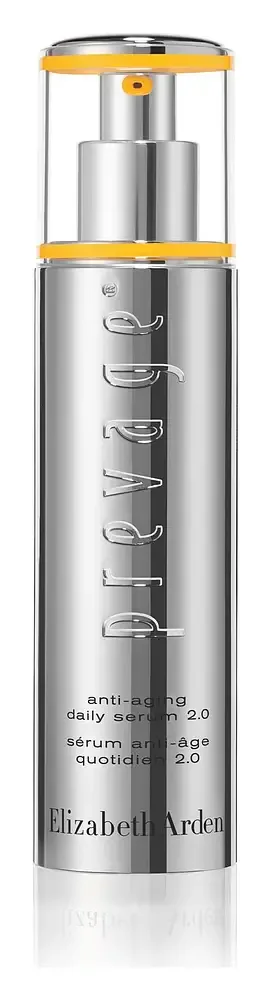
The Elizabeth Arden Anti-Aging Daily Serum 2.0 is a serum. Our analysis of its 68 ingredients (57 low-risk) rates it Excellent (98/100). Heads up: it contains fragrance, which can irritate sensitive or reactive skin.
Summarised from our ingredient analysis — not brand marketing copy.
The evidence
 Dry Skin
14/16
Dry Skin
14/16
 Oily/Acne-Prone Skin
No data
Oily/Acne-Prone Skin
No data
 Sensitive Skin
7/13
Sensitive Skin
7/13
No personal ingredient notes yet. Save ingredients to your profile to get good/bad alerts here.
EWG flags hazard, not real-world risk — ratings don't account for how much of an ingredient a product contains. Treat these as things to research, not verdicts. How we score →
How to use
General guidance from this product's category and active ingredients — always follow the directions on the package.
Reads the manufacture date & expiry from the code — right here, for Elizabeth Arden.
Trust & honesty
The concentrations these actives are typically effective at in research — not a measurement of this product.
L-ascorbic acid is usually used at 5–20% (around 10–15% is common). Above ~20% adds little and tends to irritate more; it also needs a low pH to work.
Ascorbyl Glucoside
INCI lists don't disclose amounts, and we don't claim to know this product's levels — these are the ranges these ingredients are usually effective at, so you can tell a real formula from "fairy-dusting" a marketed active. How we estimate this.
From the community
No reviews yet — the first rating takes one tap.
No — the formula contains at least one ingredient that can feed Malassezia. The flagged entries are marked in the ingredient table above. Check any other product with our fungal acne checker.
No commonly flagged ingredient classes (retinoids, high-dose salicylic acid, hydroquinone) were found. Still, check with your doctor — this is not medical advice.
No drying alcohols were found in the ingredient list.
The highest-rated ingredient scores 2/5 on the comedogenic scale — patch-test first if you're acne-prone. Check any other product with our pore-clogging checker.
No — the brand does not list this product as vegan.
Alternatives
Other products people analyze alongside this one.
Make us a preferred source
Google will then show Skincarisma more often in your results.
Added — thank you. You can undo it any time in your Google settings.
Keep this checker one search away
Make Skincarisma a preferred source and Google shows us more often in your results.
Added — thank you. You can undo it any time in your Google settings.


