



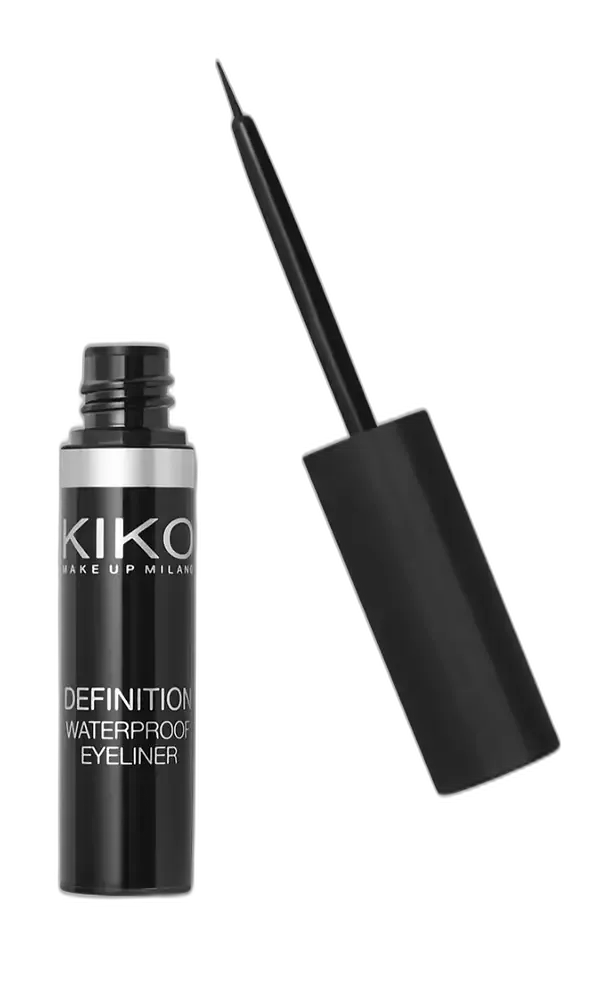
Definition Waterproof Eyeliner
The KIKO Milano Definition Waterproof Eyeliner is a misc. Our analysis of its 15 ingredients (12 low-risk) rates it Excellent (94/100). Based on its ingredients, it looks well-suited to dry skin.
The KIKO Milano Definition Waterproof Eyeliner is a misc. Our analysis of its 15 ingredients (12 low-risk) rates it Excellent (94/100). Based on its ingredients, it looks well-suited to dry skin.
Summarised from our ingredient analysis — not brand marketing copy.
The evidence
 Dry Skin
5/2
Dry Skin
5/2
 Oily/Acne-Prone Skin
No data
Oily/Acne-Prone Skin
No data
 Sensitive Skin
3/5
Sensitive Skin
3/5
| EWG | CIR | Ingredient Name & Cosmetic Functions | Notes |
|---|---|---|---|
 1
1
|
 B
B
|
Isododecane
(Fragrance, Solvent, Emollient, Perfuming) |
|
|
1
|
B
|
Trimethylsiloxysilicate
(Antifoaming Agent, Emollient, Skin Conditioning) |
|
|
3
|
 A
A
|
Dimethicone
(Antifoaming Agent, Skin Protecting, Emollient, Skin Conditioning) |

Silicone
|
|
1
|
A
|
Disteardimonium Hectorite
(Stabilising, Viscosity Controlling) |
|
|
1
|
A
|
Sorbitan Tristearate
(Emulsifying, Surfactant) |
|
|
1
|

|
Hydrogenated Palm Kernel Glycerides
(Skin Conditioning, Emollient, Viscosity Increasing Agent, Viscosity Controlling) |
|
|
1
|
A
|
Propylene Carbonate
(Solvent, Viscosity Decreasing Agent, Viscosity Controlling) |
|
|
1
|
A
|
Phytosteryl Isostearate
(Hair Conditioning, Skin Conditioning) |
|
|
1
|
A
|
Caprylyl Glycol
(Hair Conditioning, Skin Conditioning, Emollient, Humectant) |
|
 4
4
|
A
|
Phenoxyethanol
(Fragrance, Preservative) |

Paraben
|
|
1
|
A
|
Ascorbyl Palmitate
(Antioxidant, Masking) |

Fungal Acne Trigger
|

|
|
Hydrogenated Palm Glycerides
(Skin Conditioning, Skin Conditioning Emollient, Surfactant Emulsifying, Viscosity Controlling) |
|
|
1
|
A
|
Hexylene Glycol
(Fragrance, Solvent, Viscosity Decreasing Agent, Emulsifying, Perfuming, Skin Conditioning, Surfactant) |
|
|
6
|
A
|
BHT
(Antioxidant, Fragrance, Masking) |
|
|
2
|
|
CI 77499
(Colorant, Cosmetic Colorant) |
No personal ingredient notes yet. Save ingredients to your profile to get good/bad alerts here.
How to use
General guidance from this product's category and active ingredients — always follow the directions on the package.
Trust & honesty
The concentrations these actives are typically effective at in research — not a measurement of this product.
L-ascorbic acid is usually used at 5–20% (around 10–15% is common). Above ~20% adds little and tends to irritate more; it also needs a low pH to work.
Ascorbyl Palmitate
INCI lists don't disclose amounts, and we don't claim to know this product's levels — these are the ranges these ingredients are usually effective at, so you can tell a real formula from "fairy-dusting" a marketed active. How we estimate this.
From the community
Used this product? Rate it in 10 seconds
Alternatives
Products that share the most of this item's ingredient list.
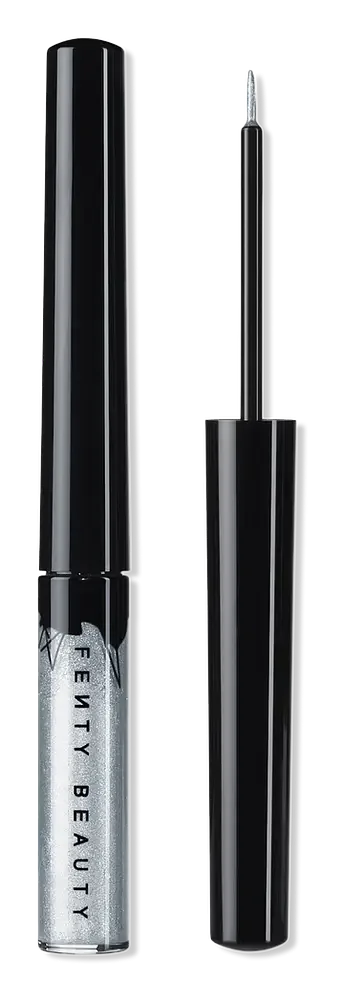
Similar formula, but a safer ingredient profile than this product (94/100).
Other products people analyze alongside this one.